
Peter Stephens July 23, 2025 0

Four Frizzy Hair Fixes That Actually Work

Frizzy hair can feel like an unpredictable storm cloud hovering over your day. One moment you’re brushing through soft strands, and the next, you’re battling a puffball. If you’re tired of ponytail days and hat tricks, you’re not alone. Many people struggle with frizz, especially in humid or dry climates. The good news? There are real, practical solutions that make a difference without relying on false promises or trendy gimmicks.

Start With a Proper Wash Routine

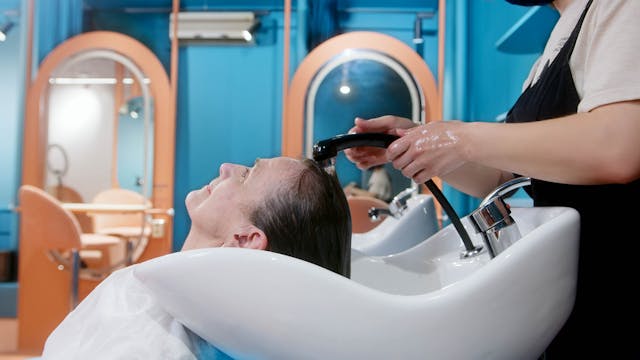
It sounds basic, but your shampoo and conditioner combo sets the tone. Frizz often begins in the shower, especially with sulfate-heavy products that strip natural oils. Choose gentle formulas that hydrate instead of dry out. Lukewarm water works better than hot, which can trigger frizz like clockwork. After rinsing, avoid rubbing your hair with a towel—blot instead. This small change cuts down on breakage and helps maintain smoother strands.
salon

Use a Sustainable Conditioner

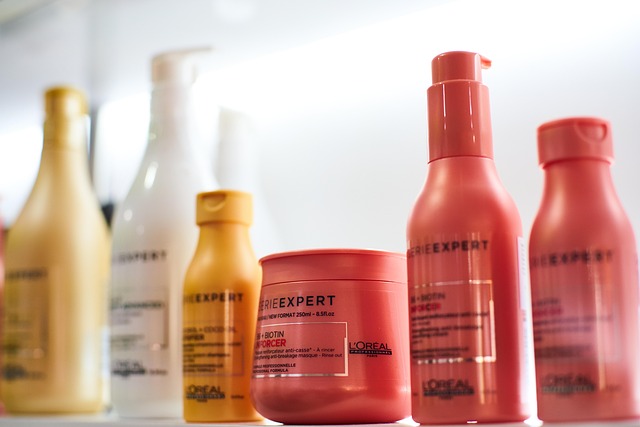
Conditioner isn’t just a step—it’s a shield. A good one hydrates, seals moisture, and keeps flyaways in check. Sustainable conditioners made with plant-based ingredients avoid harsh chemicals that worsen frizz over time. They work gently but effectively, leaving your hair softer and calmer. If you’re trying to reduce waste, consider the best conditioners for a plastic-free lifestyle. It’s also a win for the planet, cutting back on waste and synthetic runoff. Going green with your haircare is more than a trend—it’s a smarter way to nourish your hair long-term.

Dry Smarter, Not Harder

The way you dry your hair matters more than you think. Blow-drying on high heat with no protection is a fast track to frizz town. Let your hair air-dry partially, then use a dryer on a low, cool setting. A diffuser helps distribute heat evenly without causing chaos. Better yet, wrap your hair in a microfiber towel—it’s gentler than regular ones. Making this change saves you from unnecessary damage and puffiness.
Dry Smarter, Not Harder

Don’t Skip Styling Protection

Heat tools are common culprits in the frizz fight. Straighteners, curling irons, and blow dryers pull moisture from your strands, especially without a barrier. Always use a heat protectant before styling. Look for sprays or creams that coat your hair without weighing it down. A few seconds of prep can keep hours of styling from unraveling. Your hair might not thank you out loud, but it’ll behave better. Frizz isn’t some curse you have to accept—it’s a signal that your hair needs care. A few small adjustments can make a big difference in how your hair looks and feels. Start with smarter washing habits and finish strong with styling protection. Try a sustainable conditioner and dry gently to keep strands happy. It’s not about perfection, just progress. Once you learn what your hair truly responds to, you’ll spend less time fighting it and more time flaunting it. We hope that you have found this blog post helpful.…

Peter Stephens July 3, 2025 0

Beauty Procedures Models Swear by Before Hitting the Runway

The fashion industry’s backstage secrets aren’t just about designer clothes and perfect poses. Models invest serious time and money into beauty treatments that give them that coveted camera-ready glow. These aren’t your typical spa day treatments either. We’re talking about professional-grade procedures that can make or break a career built on appearances. The competition is fierce, and every model knows that looking flawless under harsh runway lights requires more than good genes. From facial rejuvenation to body contouring, these beauty investments pay dividends when the spotlight hits. Let’s pull back the curtain on the treatments that keep fashion’s finest looking picture-perfect.

Professional Facials That Go Beyond the Basics

facials

HydraFacials have become the gold standard among runway regulars for good reason. This treatment combines cleansing, exfoliation, extraction, and hydration in one power-packed session. Models love how it delivers instant results without the downtime of harsher treatments. The procedure uses patented technology to remove dead skin cells while simultaneously infusing the skin with moisturizing serums. Many fashion houses schedule these treatments for their models just days before major shows. The result is that enviable dewy complexion that photographs beautifully under any lighting condition.

Teeth Whitening for That Million-Dollar Smile

smile

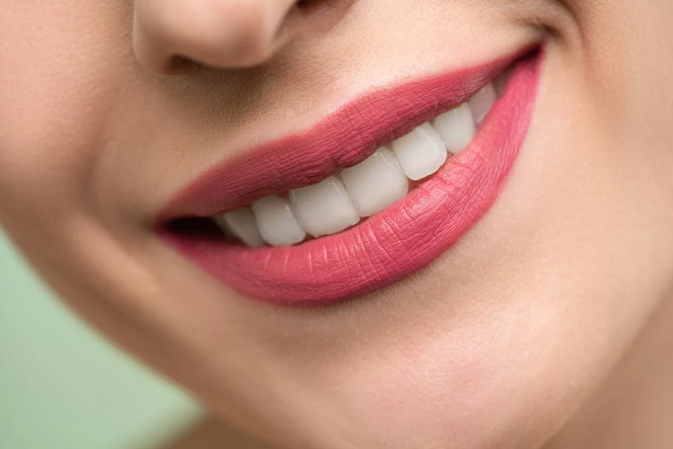
A dazzling smile can steal the show faster than any designer outfit. Professional teeth whitening has become as routine as getting your nails done for serious models. The treatments available to industry professionals go far beyond what you’ll find at your local drugstore. Laser whitening sessions can brighten teeth by several shades in just one appointment. Some models swear by custom whitening trays that they use religiously before big casting calls. That perfect white smile doesn’t just look good in photos – it projects confidence that casting directors notice immediately. If you’re considering greenUP Box subscription because they have a great toothpaste included, you should at least know what to expect from this eco-friendly subscription.

Body Contouring Without Going Under the Knife

CoolSculpting has revolutionized how models approach body maintenance without surgical risks. This non-invasive fat reduction treatment uses controlled cooling to eliminate stubborn fat cells that resist diet and exercise. Models particularly love targeting areas like lower abs and love handles that can be tricky to tone. The procedure requires no recovery time, making it perfect for busy fashion schedules. Results develop gradually over several weeks, giving that natural-looking sculpted appearance. Many models schedule sessions during slower periods to be show-ready when casting season ramps up.

Injectable Treatments for Subtle Enhancement

botox

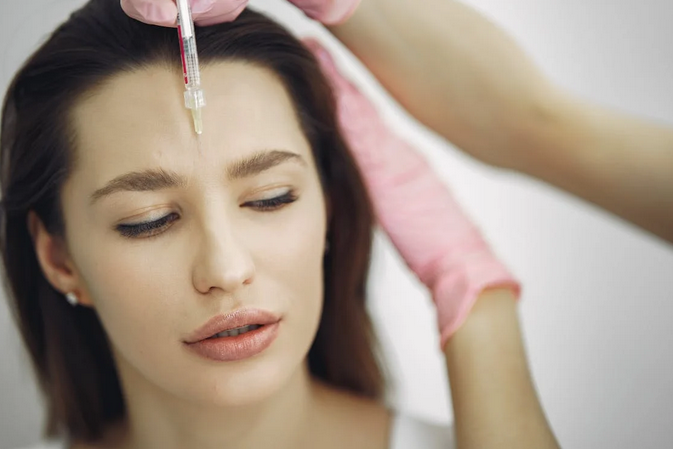
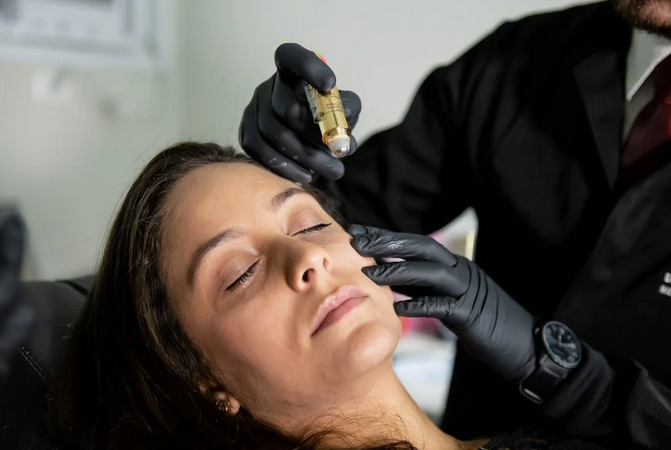
Botox and dermal fillers have shed their taboo status in the modeling world when used strategically. The key lies in subtle applications that enhance natural features rather than creating dramatic changes. Models often use small amounts of Botox to prevent expression lines that could show up in high-definition photography. Lip fillers add just enough volume to create that perfect pout without looking overdone. Cheek fillers can restore lost volume from extreme dieting that’s common in the industry. The best practitioners understand that less is more when working with professional models.

The beauty procedures that models rely on represent a calculated investment in their careers rather than vanity projects. These treatments help level the playing field in an industry where perfection is expected and flaws are magnified under bright lights. Smart models work with skilled practitioners who understand the difference between enhancement and transformation. The goal isn’t to change how they look but to optimize their natural features for maximum impact. While these procedures require significant financial commitment, they often pay for themselves through increased booking opportunities. Remember, confidence remains the most important accessory any model can wear down the runway.…

Peter Stephens July 2, 2025 0

Tips on What to Look for in a Nightgown if You Have Sensitive Skin

Getting a good night’s sleep isn’t just about a quiet room and a soft pillow—what you wear to bed plays a major role, especially if you have sensitive skin. The wrong nightgown can lead to discomfort, itching, or even rashes that disrupt your rest. For individuals with delicate or reactive skin, selecting the right sleepwear isn’t just a preference—it’s a necessity. Whether you’re looking for something simple or more functional, your skin will thank you for making the right call. If you’re struggling with finding the perfect sleepwear for cooler nights, this guide will walk you through the essential features that can make all the difference.

Choose the Right Fabric First

Your skin responds to every fiber that touches it, so fabric is the first thing to think about. Natural materials like cotton, bamboo, and modal are commonly preferred for their softness and breathability. These fabrics are gentle against the skin and help reduce the risk of irritation. Avoid rough textiles like wool blends or synthetic materials that trap heat and moisture, unless they’ve been specially engineered for sensitive users. If you find synthetic blends more practical for wear and care, look for those labeled as hypoallergenic or designed to wick away moisture. These versions are often better processed and can be less reactive compared to standard synthetic clothing.

Avoid Heavy Seams and Tags

Even if the fabric feels soft to the touch, bulky seams and scratchy tags can create friction that bothers sensitive skin through the night. Opt for nightgowns that are tagless or use heat-transferred labels. Flat seams or seamless designs help minimize pressure points and reduce the chance of chafing. Some adaptive sleepwear even eliminates side seams altogether, offering a smooth feel against the skin from shoulder to hem.

Look for Breathability and Moisture Control

Sensitive skin is often reactive to heat buildup and dampness. Choosing nightgowns made from materials that allow air to circulate will keep your skin calm and comfortable. Fabric that can suck moisture away from the body—especially in warmer climates or during hot flashes—is critical. This moisture-wicking quality is essential in preventing skin from becoming clammy or irritated while you sleep. Nightgowns with this feature are ideal for cooler nights as well. You stay warm without overheating, and your skin stays dry without feeling trapped.

lady

Go for Looser, Flowing Fits

Tight clothing can restrict movement and cause rubbing in all the wrong places. For sensitive skin, looser-fitting nightgowns are far more comfortable and reduce the risk of pressure-induced irritation. Look for designs that offer generous cuts through the chest, arms, and hips. A long nightgown with a relaxed shape allows the fabric to move with your body while you sleep, instead of tugging or bunching up. This ease of movement is not just about sleep quality—it helps prevent red patches or lines caused by tight garments.

Gentle Fastenings Matter

If you need a nightgown with closures, like snaps or buttons, make sure they’re smooth, soft, and not positioned in areas that come in contact with sensitive zones of your skin. For example, magnetic closures are often used in adaptive designs for their ease of use and skin-friendly nature. Nightgowns made with older adults or sensitive individuals in mind will often feature clever design choices such as front closures, wide openings, or soft elastic at the neckline and cuffs.

Prioritize Skin-Friendly Laundry Practices

The best fabric can still cause issues if it’s washed in harsh detergents or with fabric softeners full of fragrance and chemicals. Choose gentle, fragrance-free detergents, and skip the softener altogether. Rinse nightgowns twice if needed to remove any lingering residue. Washing your nightwear before the first use is also a good habit, as it removes any residual manufacturing treatments that could aggravate sensitive skin.

Conclusion

Sensitive skin demands extra thought when choosing what to wear to bed. From breathable fabrics and flat seams to moisture control and thoughtful fastenings, the details matter more than you might think. The right nightgown can protect your skin, support restful sleep, and add a little comfort to your nightly routine. By following the above tips, you’ll be well on your way to sleepwear that feels as good as it looks—and more importantly, respects the needs of your skin.…